
Hail Damage FAQ: What Homeowners Need to Know
Not Sure What to Do After a Hailstorm? You're Not Alone.
A hailstorm rolls through, the sky clears, and your home looks fine from the driveway. A week later, your neighbor mentions an insurance adjuster. A month after that, terms like certified inspection, hidden hail damage, and claim deadline start showing up in conversations you didn't expect to be having.
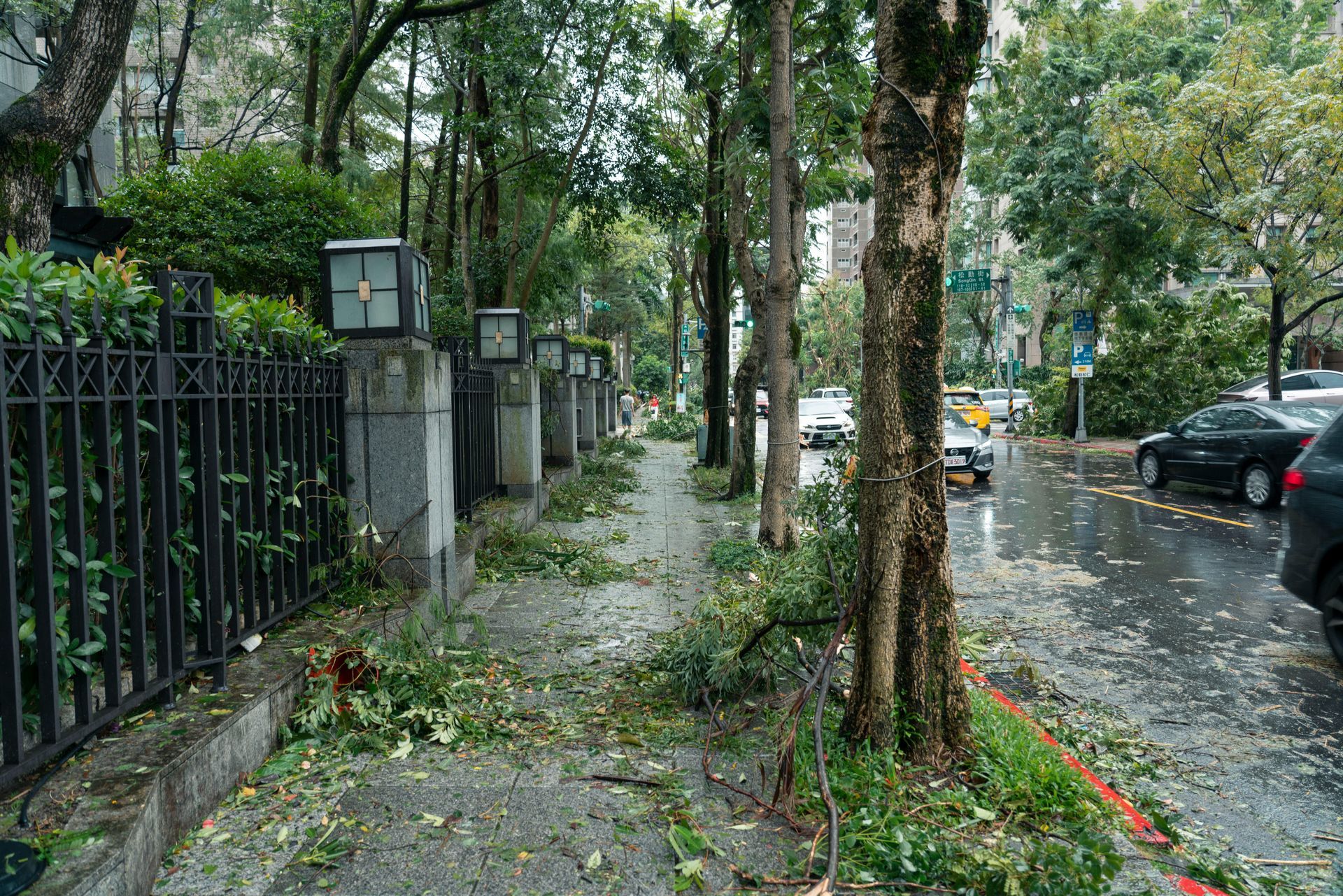
It's confusing. It's stressful. And the most expensive damage is often the damage you can't see from the ground.
This guide answers the questions homeowners ask us most often — so you can move forward with clarity, whether you're filing a claim or just trying to figure out if your roof is really okay.
Do I Need a Roof Inspection if I Don't See Any Damage?
Yes — and especially if you don't see any damage.
Hail rarely announces itself the way wind does. A hailstone the size of a quarter can bruise the shingle mat, dislodge protective granules, and weaken the seal strip without leaving a mark visible from the ground. The leak shows up six months later. The premature aging shows up in two years. The denied warranty claim shows up when you call the manufacturer.
A professional post-storm inspection catches the damage your eye can't, documents it properly, and gives you the foundation for a successful insurance claim if one is warranted. At Paragon Roofing Solutions, we use industry-standard inspection techniques and provide thorough photographic documentation — so the findings hold up with any carrier or adjuster.
How Do Insurance Companies Know There Was Hail in My Area?
They already know — often before you call.
Insurance carriers subscribe to hail tracking services that log the exact location, size, and time of every hail event. If your ZIP code took a hit, it's on record. That's both good news and bad news: good, because the storm itself is easy to verify; bad, because most policies have a strict reporting window — sometimes as short as six to twelve months — and adjusters become more skeptical the longer you wait.
The takeaway: act quickly. Even if you're not sure you have damage, a documented inspection within the reporting window protects your right to file later if leaks or other issues emerge.
Can Hail Damage My Siding Too?
Yes — and it often does.
Hail doesn't only hit roofs. Siding, gutters, downspouts, window screens, and even outdoor HVAC units take impact damage in the same storm. To spot siding damage, look for:
- Dents, cracks, or chipped paint
- Indentations you can feel by running your hand across the surface
- Damage that's most visible in raking light — early morning or late afternoon, when shadows reveal what flat midday light hides
Our inspections cover your entire exterior, not just the roof. That matters because most insurance carriers prefer one comprehensive claim to a series of disjointed ones, and missing damage in the first inspection can mean it never gets covered.
Will Insurance Cover the Full Cost of Repairs?
It depends on your policy, but here's the typical breakdown:
- Most homeowners' policies cover storm-related roof and siding damage
- You'll owe your deductible regardless of the total claim amount
- Coverage on older roofs may be limited to actual cash value rather than replacement cost — a significant difference
Two practical tips: file your claim before starting any repairs, and document everything from the moment you suspect damage. Photos, dates, contractor reports, written estimates — the more your file contains, the smoother the claim moves.
What If My Roof Looks Fine but Starts Leaking Months Later?
This is the most expensive consequence of hidden hail damage.
Bruised shingles can hold water for months before the underlayment finally gives way. By the time you see a stain on the ceiling, you may also have moisture in the insulation, mold in the attic, and rot in the decking — none of which are cheap to fix, and some of which insurance won't cover if too much time has passed since the storm.
A post-storm inspection isn't just preventive maintenance. It's documentation that protects your claim window if damage does emerge later.
How Do I Choose a Trustworthy Storm Repair Contractor?
After every major storm, "storm chasers" knock on doors with high-pressure pitches and disappear before the work is finished. Vet any contractor before you sign anything. Look for:
- A verifiable business address and reputation you can check
- Proper licensing, bonding, and insurance — ask to see proof
- Manufacturer certifications that require ongoing training and accountability
- Willingness to walk you through the insurance process without pressuring you
- A track record of completed projects and customer reviews you can verify
Paragon Roofing Solutions installs the full range of residential and commercial roofing systems — asphalt shingle, metal, tile, flat roof membranes, and more — with manufacturer certifications across the major brands. We're not going anywhere after the work is done, and we'll show you the credentials to prove it.
How Soon Should I Schedule an Inspection?
Within a week, if you can.
Three reasons. First, insurance adjusters may inspect before you do, and an adjuster's first assessment often becomes the baseline for the entire claim. Second, claim windows on hail damage are often shorter than homeowners realize — sometimes as little as six months. Third, contractor calendars fill up fast after a major storm, and the homeowners who book first get scheduled first.
The inspection itself takes under an hour. The peace of mind lasts considerably longer.
What Happens During a Hail Damage Inspection?
A thorough inspection covers:
- A full roof assessment for bruising, granule loss, lifted shingles, and damaged flashing
- A complete exterior check of siding, gutters, downspouts, and trim
- Photographic documentation of every finding, organized for insurance use
- A written report with repair recommendations and supporting evidence
We use industry-accepted inspection methods to deliver factual, unbiased findings. No scare tactics, no pressure sales, no manufactured urgency.
Can You Help Me File the Insurance Claim?
Yes. Here's exactly what we do — and what we don't.
We're not public adjusters, so we can't negotiate your settlement directly. We work with a nationwide network of law firms to represent you. What we can do is document the damage to a standard insurance carriers expect, meet with your adjuster on-site to walk the roof together and point out damage they may miss, review the carrier's scope of work for accuracy, and advise on items that should be included in your claim.
In practical terms: you don't have to translate insurance-speak on your own. We've already done that work, and we're with you from the first inspection through the final invoice.
What's the First Step?
If your neighborhood took a hit, don't wait. A free inspection now is the difference between a documented claim and a denied one — and between minor repairs today and major restoration in two years.